

The Blue Collar Marketer
Marketing for painters · Updated August 2026

Be the painter they call first. Not the third bid.

Most homeowners pick a favorite painter before anyone walks the job. It's the one they found first on Google — good stars, clean photos of the work. I make that painter you. And the first estimate requests land before you pay me anything.

  • Estimate requests before you pay me anything
  • Slow month later? Refunded
  • No contract, and you keep everything I build
Two painters working up ladders on a home exterior

Your next repaint is calling.

Get your free lead-flow audit

Find out where painting estimates are leaking in your area — and what fixing it is worth.

Free. No contract. I text or call within one business day.

Does this sound familiar?

The estimate that ghosts

Estimate ghosting: five walkthroughs a week, two callbacks, one job — and no idea which marketing dollar produced the one that closed.

The third-bid trap

Price-shoppers collecting a third bid just to beat their brother-in-law's quote down — your gas and your evening, their leverage.

Your best work, stuck in your phone

Your best work lives in your phone's camera roll instead of the places homeowners actually compare painters side by side.

How painters get picked. Three parts.

You keep the brushes. I run the three things that decide who gets the estimate call…

Ads at the top of Google

When someone nearby searches for a painter, your name sits at the top with a green check next to it. You pay only when they reach out about a job — never just for being looked at.

Estimates while you're on the ladder.

The map listing

Homeowners compare painters right on the Google map — the stars, the reviews, the photos of the work. My job is making yours the one that looks like the safe choice.

Your work sells the next job.

A website that works

A fast, simple site that shows up when people around you search for painting — and keeps bringing estimate requests without a dollar of ad money behind it.

Booked without buying leads.

The whole deal runs the same way for every trade I take: leads first, then you decide →

What one estimate is worth.

Painting runs on estimates, so start there. Say a booked job leaves you $900 after paint and labor, and you close one estimate out of three:

$900

kept from a booked job

one in three

estimates that turn into jobs

≈ $300

what each estimate is worth to you

That one number makes every marketing decision simple: anything that reliably brings you estimates for less than it's worth is a machine — and anything that doesn't, gets cut. Those are ballpark figures to show the math, not a promise. On the audit call we run it with your real numbers.

Ballpark: $400–$1,200 single rooms · $2,500–$6,500 whole-interior repaints · $3,000–$7,500 exteriors. The audit call swaps these for your real book.

Ranges are market ballparks for context, not client claims.

Do painters get Google's pay-per-lead ads? Yes.

"Painter" is a named category in Google's Local Services Ads — I checked Google's live category list in August 2026, because that list changes and old blog posts lie. It means the ads at the very top of the search page, the ones with the green checkmark, are open to painting companies directly.

You pay when a homeowner reaches out about a job. Not for clicks. Not for views. Junk leads get reviewed by Google automatically — usually inside 72 hours — and come back as credits instead of charges.

What makes or breaks these ads isn't the ads. It's the setup and the habits: turning on only the kinds of work you actually want, keeping reviews coming in steadily, and answering fast. That last one is the big one — repaint shoppers are out collecting bids, and the first painter who picks up and sounds like a professional usually sets the bar everyone else gets measured against. How I run these ads →

Your photos do the selling.

Painting is the most photographic trade in the home. A homeowner can't judge pipe solder or a panel swap — but they can absolutely judge a cut line. Which makes your Google listing matter more for painters than for almost any other trade: it's where your before-and-after photos sit right next to your stars and your reviews, on the exact page where homeowners decide who gets a walkthrough.

A painter rolling bright yellow paint onto a wall in clean, even strokes
Work like this photographs itself. The trick is putting those photos where homeowners are already comparing painters.

What I do with it: keep the listing set up exactly right, keep fresh job photos flowing, and build the review habit — ask at the walkthrough, every job, and reply to every review. Reviews that mention the neighborhood and the kind of work ("cabinets," "exterior," "whole interior") quietly pull in more of exactly those jobs. How I run the listing →

January is won in October.

Exterior season books itself — warm, dry days fill the calendar, and then the first cold week kills it. Every painter knows that cliff. Interior work is what carries a painting company through winter, and the painters who eat in January made inside work easy to find back in the fall.

An exterior painter working up an extension ladder, roller pole in hand and paint bucket hooked below
Ladder weather ends every year. The painters who keep eating booked the inside work before it did.

That's the real marketing job across a painter's year: point the ads, the listing, and the website at interior work before the season turns, then swing back to exteriors in spring. Same three parts, re-aimed twice a year — and the website holds the winter floor, because it keeps ranking for inside work while the ladders are put away. How I build sites that rank →

Where's the proof?

My receipts come from my father's drywall company — 52 charged ad leads in July 2026, a five-star listing, and a website that books work with the ads switched off. Painting sits one trade over: same homeowners, the same kind of searches — and painters get a named ad category that drywall never did.
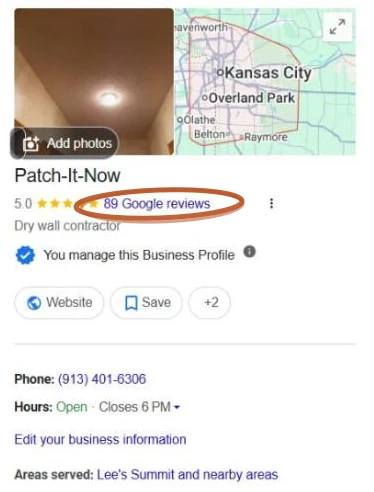
Google listing: Patch-It-Now, 5.0 stars, 89 Google reviews circled, verified profile
The listing I built for my first client, July 31, 2026. The painter version of this is the job.

Your painting company gets that whole engine — and the first leads land before any bill does. Read the full case study, month by month →

Straight answers for painters

Do painters get Local Services Ads?

Yes — "Painter" is a named category on Google's live LSA list (I checked it August 2026, because the list changes and old blog posts lie). That means the Google Verified badge and pay-per-lead ads are open to you directly: you pay when a real homeowner contacts you, not per click, and junk leads go through Google's automated credit review. Setup quality decides whether it prints estimates or noise.

How do I stop losing bids to cheaper painters?

Stop arriving as a stranger. When your profile shows a five-star column, photos of clean lines, and reviews from their own neighborhood, you're not the third bid anymore — you're the one they hope comes in close enough. Some jobs go to the lowest number no matter what; the marketing goal is fewer of those in your mix, not winning them all.

Interior, exterior, cabinets — what should the ads push?

Whatever your calendar needs and your margin likes — that's a dial, not a fate. Job types, website pages, and photos steer the mix: heavy on interiors ahead of winter, exteriors when the season opens, cabinets if the margins earn it. The first move on the audit call is finding which of those searches your area actually has.

How do painters get more leads?

Three places, in order of speed: Google's pay-per-lead ads put you at the top of the search page and bill only when a homeowner reaches out; the map listing turns your stars, reviews, and job photos into free calls; and a fast website catches everyone searching for interior, exterior, or cabinet work. The habits that multiply all three: answer fast, ask for a review at every walkthrough, and keep fresh photos of the work flowing.

Are Google's pay-per-lead ads worth it for painters?

Usually, if the setup is right — because you're paying for estimate requests, not clicks. Painters have their own named ad category, junk leads come back as credits after Google's automated review, and you control which kinds of work the ads bring. Where it goes wrong is sloppy setup: wrong job types switched on, slow answers, a thin review column. That's setup work, and it decides everything.

How much should a painting company spend on marketing?

Work backward from your own numbers instead of a rule of thumb. Figure what an estimate is worth to you — gross profit on a booked job times how many estimates turn into jobs — and then anything that reliably brings estimates for less than that number is worth funding. That math takes about ten minutes on the audit call, and it's the honest answer no chart can give you.

Trades next door

All trades →

Your calendar, full of repaints.

One call to run your close rate and what a job pays you. If the math doesn't clear in your area, I'll tell you that too.

Get your free lead-flow audit

Find out where your leads are leaking — and what fixing it is worth to you.

Free. No contract. I text or call within one business day.