
The Blue Collar Marketer
Marketing for landscapers · Updated August 2026

Turn the spring phone rush into routes that run all year.

Spring buries you in calls, August goes quiet, and winter doesn't ring at all. The fix isn't more one-time cleanups — it's turning the spring surge into weekly routes while it's happening. That's where I aim the whole machine. And the first leads land before you pay me anything.

  • Leads land before your first bill
  • Slow months refunded — winter included
  • Accounts stay in your name
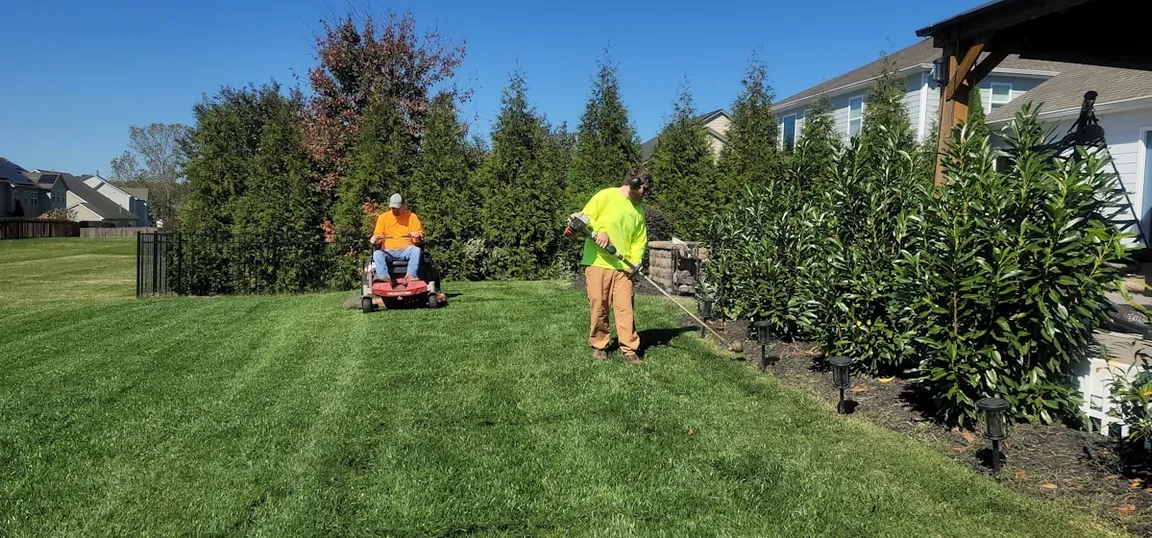
A two-man landscaping crew working a lawn — one on the mower, one on the trimmer

The next route customer is calling.

Get your free lead-flow audit

Find out where route customers are leaking in your area — and what a full season of them is worth.

Free. No contract. I text or call within one business day.

Does this sound familiar?

The avalanche, then the quiet

The spring surge brings more calls than you can quote, then August goes quiet and the crew's hours shrink right along with it.

Cleanups that stay one-offs

One-time cleanups that never become weekly customers — revenue that evaporates the day the trailer gets loaded.

Leads that break the route

Leads scattered across the metro that break route density — the drive time costs more than the mow brings in.

How landscapers get picked. Three parts.

You keep the stripes straight. I run the three things that fill a route…

Ads at the top of Google

Lawn care has its own pay-per-lead category with the green check. I draw the service area around your route density — so leads land where the trailer already goes, not across town.

No windshield-time leads.

The map listing

"Lawn care service" and "Landscaper" pull different searches — the category gets picked by which revenue you want more of. Photos from the curb, by season, the way homeowners see a yard.

Route-shoppers find you.

A website that works

A fast, simple site that ranks all year, sells weekly service to the people comparing crews — and flips to snow in November if you run it.

Spring arrives pre-sold.

The whole deal runs the same way for every trade I take: leads first, then you decide →

Landscaping math is lifetime math.

A weekly mowing customer isn't a job — it's a season of them. Say a route visit runs $60 across a thirty-visit season:

$60

per visit on the route

a thirty-visit season

week in, week out

$1,800

of revenue from ONE lead

That's why cost per lead alone can fool you in this trade: a $40 lead that joins a route beats a free lead that doesn't. One-time cleanups pay too — but treat them as auditions. The crew that nails the cleanup gets asked about weekly service, and the machine gets aimed at making that ask happen. Ballpark figures to show the math; the audit call uses your route.

Ballpark: $50–$80 per mow on route · $400–$1,500 cleanups · $3,000+ installs and hardscape. Recurring work changes every number — bring yours to the call.

Ranges are market ballparks for context, not client claims.

The spring rush is won in February.

Lawn care is eligible for Google's pay-per-lead ads with the Verified badge — and it's in the first wave of Google's move folding these ads into Google Ads, started August 2026. The channel is changing underneath every landscaper running it, mostly without their knowledge.

Running it well looks like this: service area drawn around route density (a lead across town costs windshield time the mow never pays back), job types matched to what you actually staff, calls answered from the truck, reviews stacking week over week. Junk leads get credited automatically inside about 72 hours. And because the ads crowd up in spring, the setup work that ranks you happens in February — not April. How I run these ads →

The category choice is strategy.

"Lawn care service" and "Landscaper" pull different searches on the map — so the primary category gets picked by which revenue you want more of, not by what sounds bigger. Photos go up by season, shot from the curb the way a homeowner actually sees a yard. Reviews that mention weekly service tell route-shoppers exactly what you are.

And the service-area settings tell the truth — ranking in suburbs you won't drive to just manufactures junk leads. How I run the listing →

Sell the season during the surge.

This is the most seasonal trade on this site: spring is an avalanche you can't answer, winter is a phone that doesn't ring. The counter-move is turning spring callers into route contracts and fall cleanups while they're calling— so next year starts pre-sold. If you run snow, the whole machine flips to it in November: different job types, same map, and winter reviews feed next spring's rank.

The website carries the off-season: it keeps ranking while the trailer's parked, so you enter the spring rush ranked instead of scrambling. How I build sites that rank →

Where's the proof?

The receipts are my father's drywall company — 52 charged ad leads in July 2026 at $39.89 each, a five-star profile, a ranking website. Landscaping adds the piece drywall never had: recurring routes, where one good lead pays weekly all season.
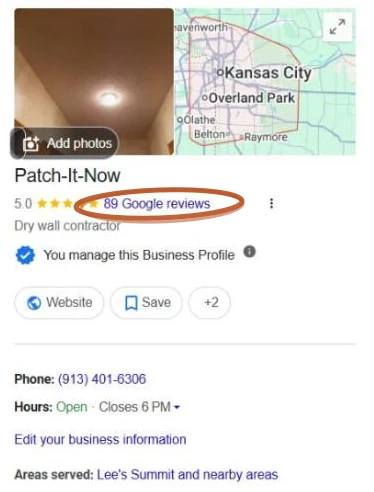
Google listing: Patch-It-Now, 5.0 stars, 89 Google reviews circled, verified profile
The listing I built for my first client, July 31, 2026. The landscaper version of this is the job.

Read the full case study, month by month →

Straight answers for landscapers

Is LSA worth it for lawn care?

It can be, with eyes open: lawn care is LSA-eligible, you pay per lead with the Google Verified badge on the ad, and it's in the first group being migrated into Google Ads pay-per-lead as of August 2026. The math works when a lead's value is measured in route months, not single visits. A tight service area and the right job types keep it from buying you drive time instead of revenue.

Can you get me install and hardscape jobs, not just mowing?

The searches exist and we can aim at them — bigger tickets, longer decision cycles, photo-driven. What I won't promise is a feed of five-figure installs from day one; those buyers research like it's a kitchen remodel. The reliable play: routes and cleanups pay the bills while the profile's install photos and reviews compound into the bigger calls.

What happens to my marketing in winter?

It either sleeps or flips. If you run snow removal, we point the same engine at it — different job types, same map, and winter reviews feed next spring's rank. If you don't, winter is when the website and review base get built so you enter the spring rush ranked instead of scrambling. The fee stays flat through all of it — and slow months are refunded either way.

How do landscapers get more customers?

Chase route customers, not raw calls. The pay-per-lead ads and the map listing bring the inquiries; what builds the business is turning them into weekly service — reviews that mention 'every week all season' recruit exactly that shopper, and a tight service area keeps new customers inside your route instead of across the metro. One-time cleanups still come, and they should: priced right, a cleanup is an audition for the route.

How much should a landscaping company spend on marketing?

Price it against a season, not a visit. When one converted lead can mean a weekly route customer for the whole mowing year, the value of that lead is the season's revenue minus your costs — not the first mow. Run that number, and marketing spend that would look expensive per call suddenly looks cheap per route. The audit call does this math with your route size and your close rate, in plain arithmetic.

Trades next door

All trades →

Routes, not roulette.

One call to run your route math and your close rate. If the season doesn't clear in your area, I'll tell you that too.

Get your free lead-flow audit

Find out where your leads are leaking — and what fixing it is worth to you.

Free. No contract. I text or call within one business day.