
The Blue Collar Marketer
Marketing for pest control · Updated August 2026

Quarterly contracts from one bad ant day.

Pest calls are pure panic — whoever answers first treats the house, and the inspection sells the plan. I make you the company the panic finds: the ads, the map, and the website, all aimed at the same-day searches. And the first leads land before you pay me anything.

  • Leads first — the bill comes later
  • Slow months get refunded
  • Everything stays in your name
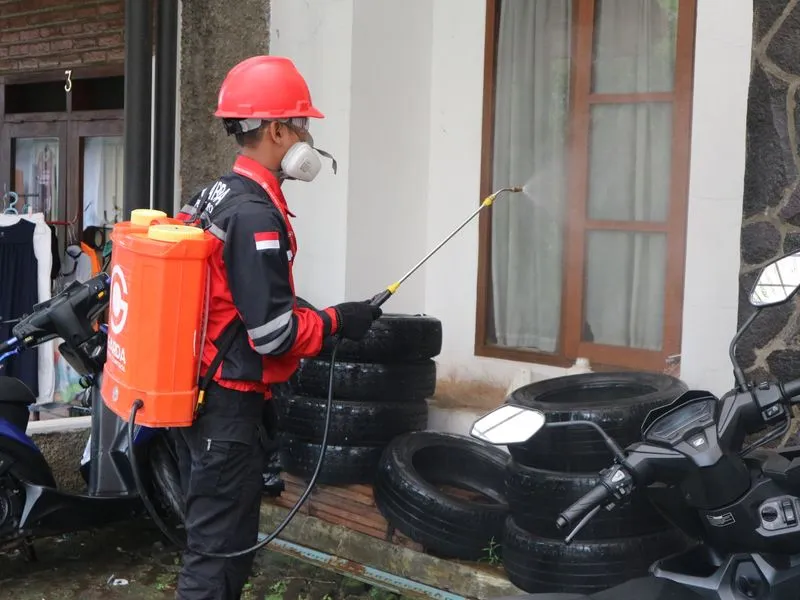
A pest control technician in protective gear treating a home exterior with a backpack sprayer

The next ant panic is calling.

Get your free lead-flow audit

Find out where the panic searches in your metro are going — and what a plan customer is worth.

Free. No contract. I text or call within one business day.

Does this sound familiar?

Churn in a customer costume

"Saw a spider" one-timers who take the treatment, skip the plan, and dial a coupon next year — churn wearing a customer costume.

Invisible under the national brands

National pest brands own the TV ads and the buying playbook — on Google's map you either out-rank them locally or you don't exist.

Panic spikes, idle trucks

Panic-season call spikes you can't staff for, followed by weeks where the trucks sit — plan revenue is the only smoothing that works.

How pest companies get picked. Three parts.

You handle the treatments. I run the three things that decide who the panic dials…

Ads at the top of Google

Pest control has its own pay-per-lead category with the green check. Panic searches book with whoever answers right now — I set the account and coach the habits so that's you.

The panic finds you first.

The map listing

Reviews that name the pest — termites, mice, wasps — are magnets for the exact search being typed at midnight. National brands can't out-review you in your own zip codes.

Out-rank the TV budget.

A website that works

A fast, simple site that ranks for the pest searches all year and sells the quarterly plan underneath the panic — every request tagged with its source.

Contracts that renew alone.

The whole deal runs the same way for every trade I take: leads first, then you decide →

The plan is the real product.

The one-time "saw a roach" call is just the doorway. Take a quarterly customer at $130 a visit:

$130

per quarterly visit

four visits a year

renewing year after year

≈ $520

a year per house — before renewals stack

Plan customers stay for years, so the true value of one converted lead runs multiples of that first year. Urgency gets you in the house; the inspection sells the plan. That's why the whole machine gets aimed at the same-day searches and the follow-through that turns panic into contracts. Ballparks to show the math; the audit call uses your plan mix.

Ballpark: $150–$350 one-time treatments · quarterly plans commonly $120–$160 a visit — about $500 a year per house. Plan mix is the number to bring to the call.

Ranges are market ballparks for context, not client claims.

Panic books with whoever answers now.

Pest control has its own named category in Google's pay-per-lead ads, with the Verified badge — and it's on the named list of trades Google began migrating into Google Ads in August 2026, so assume the dashboard you learn this year gets replaced. I watch that switch so you don't have to.

A hand working a sprayer, treatment mist in the air
"Roaches in the kitchen" is a same-day search. The first company that picks up usually treats the house.

These ads reward what pest urgency demands: answering the phone now, a service area drawn to your real routes, job types on for what you actually treat, and reviews arriving weekly. Junk leads get credited automatically inside about 72 hours — nobody files disputes anymore. National brands bid here too; you beat them on answer speed and map trust, not budget. How I run these ads →

Reviews that name the pest win the search.

"Termites." "Mice." "Wasps." Reviews that name the pest are magnets for the exact panic being typed at midnight — so the ask-after-every-visit habit is the system, and every review gets a reply, because plan-shoppers read them like references. Photos show real techs at real houses: a homeowner letting your equipment inside wants to see who's coming.

Posting to the profile doesn't move rank — a steady flow of new reviews does. The effort goes where the rank is. How I run the listing →

Plans erase the season.

Spring swarms — ants, termites — and fall move-ins — rodents, roaches — spike the panic searches. Summer hums. Deep winter goes quiet. Plans exist to erase that curve: a quarterly base turns seasonal panic into scheduled revenue, and renewal season becomes your real harvest.

The website holds it together year-round — ranking for every pest's search in its season and selling the plan underneath the panic. How I build sites that rank →

Where's the proof?

The receipts come from my father's drywall company — 52 charged ad leads in July 2026 at $39.89 each, plus the map and website channels running free. Pest control adds what drywall lacks: contracts that renew on their own. Same engine, compounding math.
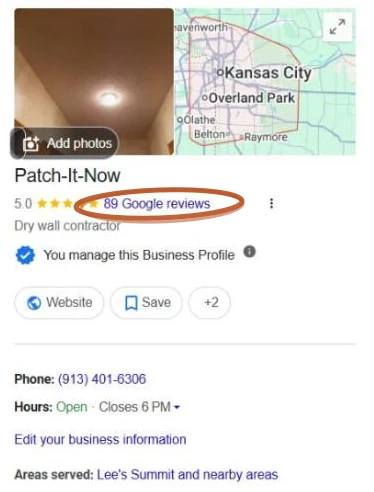
Google listing: Patch-It-Now, 5.0 stars, 89 Google reviews circled, verified profile
The listing I built for my first client, July 31, 2026. The pest-control version of this is the job.

Read the full case study, month by month →

Straight answers for pest control

Do pest control companies get Local Services Ads?

Yes — pest control is a named LSA category with the Google Verified badge and per-lead pricing, and it was in the first group Google started migrating into Google Ads pay-per-lead in August 2026. Junk leads go through the automated credit review, about 72 hours. The channel rewards fast answers above all: pest leads are same-day-intent, and the first company that picks up usually treats the house.

How do I get more quarterly plans instead of one-time jobs?

Marketing gets them in the door; the inspection sells the plan — and both halves can be engineered. We aim at searches with plan potential, and the profile gets stacked with reviews that mention ongoing service, so plan-buyers self-select before they call. Then your close process does its part. I measure plans added, not raw leads, because that's the number that compounds.

Can I compete with the national chains' ad budgets?

Not in a spending contest — and you don't have to. LSA charges per lead, not per dollar of bravado, and the map rewards trust: reviews, answer speed, the right category, being nearby. A local outfit with five hundred honest reviews in its own metro routinely out-pulls a national brand's franchise there. The plan is winning your zip codes, not their Super Bowl slot.

How do pest control companies get more customers?

Win the panic moment, then turn it into a plan. The pay-per-lead ads and the map listing put you in front of the 'roaches in the kitchen' search, and answer speed decides who treats the house — pest leads want someone today, full stop. From there the inspection sells the quarterly plan, and the profile helps beforehand: reviews that mention ongoing service recruit plan-buyers before they ever call. The number worth tracking is plans added, because plans are what compound.

How much should a pest control company spend on marketing?

Price leads against the plan, not the one-time treatment. A quarterly customer pays visit after visit, year after year — so a converted lead is worth a multiple of the first job, and marketing that looks pricey per call is often cheap per plan. Run how many callers end up taking a plan against what a plan year brings you, and the budget answers itself. That's the first math the audit call does, with your numbers.

Trades next door

All trades →

Panic in. Plans out.

One call to run how many callers take your plan and what a plan year is worth. If the math doesn't clear in your metro, I'll tell you that too.

Get your free lead-flow audit

Find out where your leads are leaking — and what fixing it is worth to you.

Free. No contract. I text or call within one business day.